AI Model Wars Distract from the Bigger Problem: Trust in Outputs
As AI models become increasingly interchangeable, AINGENS highlights that the central problem is no longer the technology. It is how it is used. In healthcare and other high-stakes industries, trust now hinges on workflow design, source traceability, and user behavior, not the model itself. AINGENS' MACg platform addresses this by grounding AI responses in verified sources, integrating literature search and content creation in a governed workspace, and ensuring full traceability of every statement. The piece predicts a shift from general-purpose AI toward specialized, workflow-centric platforms built for regulated, high‑stakes environments.
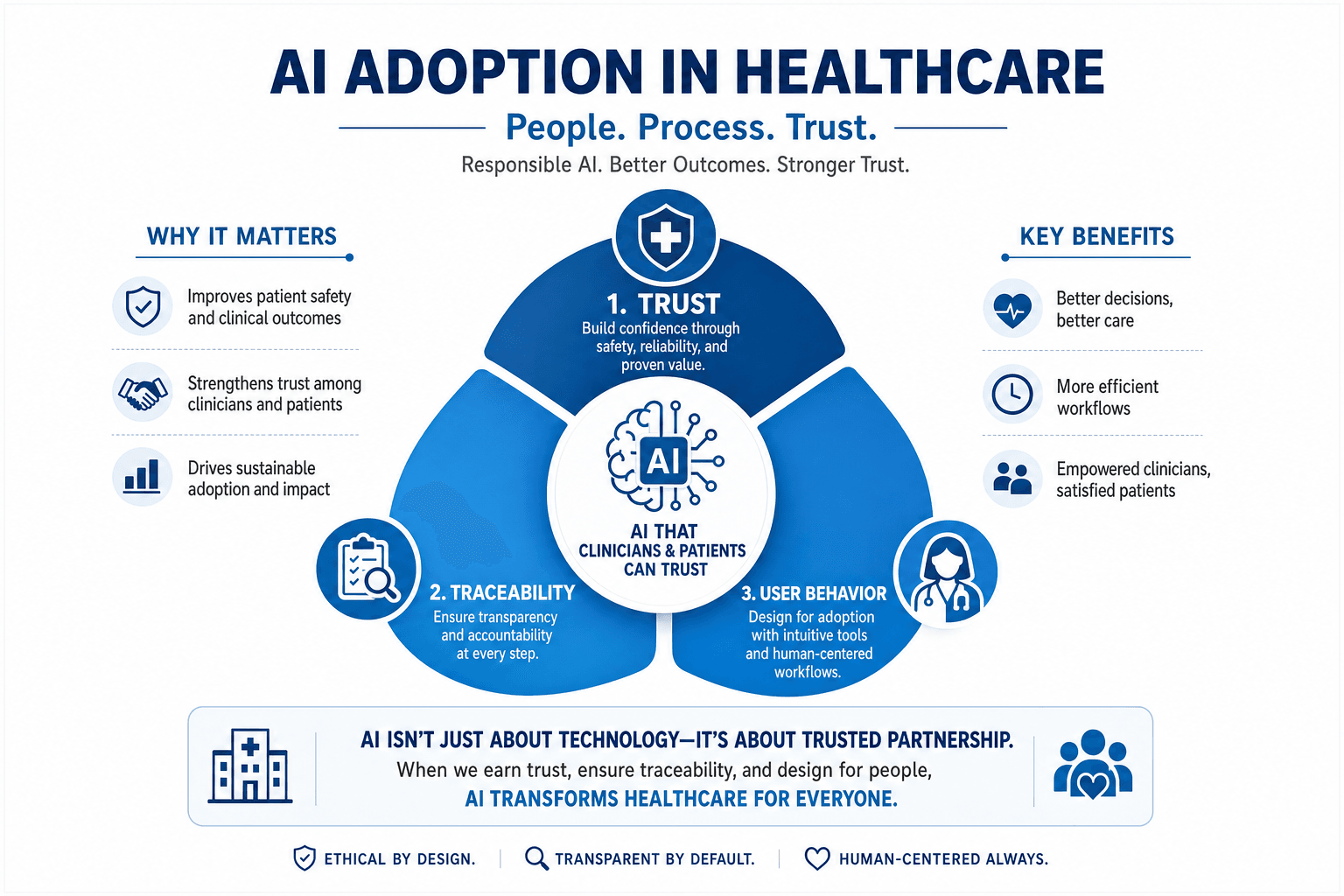
COLUMBIA, Md., May 4, 2026 /PRNewswire/ -- As leading AI companies including OpenAI, Anthropic, and Google move to combat model copying and protect intellectual property, a deeper shift is taking place across the industry. While headlines focus on geopolitical competition and model replication, many organizations are confronting a more immediate reality: most leading AI models now perform similarly, and the real challenge lies in how they are used.
In high-stakes sectors such as healthcare and clinical research, where AI outputs can influence patient care and regulatory decisions, the risk is no longer just about access to advanced models. It is about whether those systems can be trusted in real-world workflows. AINGENS, a life sciences software company, is responding to this shift through its platform, MACg (Medical Affairs Content Generator). MACg is an AI-powered platform designed to help life sciences organizations create, review, and manage scientific content within governed workflows.
"Honestly, I can use Gemini, ChatGPT, or Claude. They are all very similar," said Ome Ogbru, PharmD, CEO and Founder of AINGENS. "At the end of the day, you are still going to review and shape the output. So, the focus should not be on the model, but on how it fits into workflows and how people actually use it."
Model Innovation Plateaus as Real-World Risks Take Center Stage
The push to prevent AI model copying highlights a growing recognition that foundational models are becoming more accessible and increasingly interchangeable. While technical improvements continue, many organizations are finding that model performance alone does not solve real-world challenges.
In healthcare and life sciences, this gap is especially critical. AI systems can generate polished and confident outputs, but without proper controls, those outputs may include inaccuracies, missing context, or unverified information. These are not isolated technical issues. They are workflow failures that can affect compliance, research integrity, and patient safety.
The issue often lies less in the underlying model than in how it is used. Large volumes of unstructured data, unclear prompts, and unrealistic expectations can push even advanced systems beyond their limits.
"User behavior is very important," added Dr. Ogbru. "The technology is already good enough to support many use cases. The real roadblock is how people use AI solutions. If users do not understand the system, do not take the time to learn or guide it properly, they are not going to get the results they expect."
MACg Slide Generator and Editor
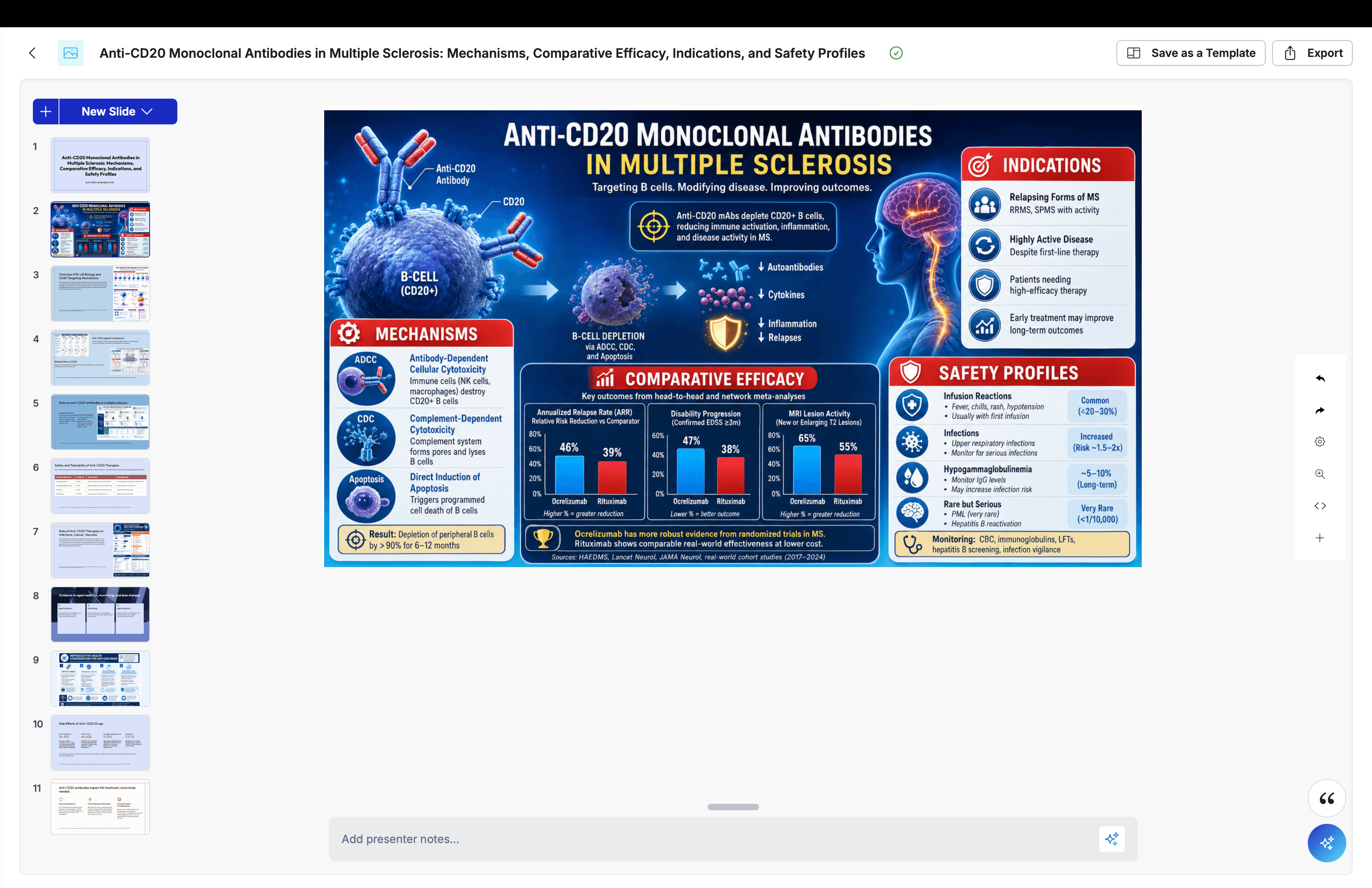
Why Workflow Design and User Behavior Now Define AI Success
This shift is driving a new approach to AI adoption, where structured workflows and user interaction are becoming the primary drivers of success.
Industry observers note that users who approach AI as a collaborative tool, rather than a one-step solution, tend to achieve significantly better outcomes. Those who iterate, ask questions, and engage with the system are more likely to integrate AI successfully into their workflows.
AINGENS is aligned with this trend by designing systems that guide how AI is used rather than relying solely on the model's capability. Its platform, MACg, integrates key elements that support more reliable outputs:
- Source-aligned generation: AI responses are grounded in verified inputs, helping to reduce unsupported or fabricated information and improving confidence in outputs.
- Workflow integration: Users can search for literature, create, and refine scientific content within a single environment, improving consistency, review efficiency, and audit readiness.
- Transparent outputs: Every statement can be traced back to its source, enabling users to validate results, support regulatory submissions, and maintain oversight.
"That is where the real differentiation comes in," said Dr. Ogbru. "It is not just the AI model. It is what you build around it and how the complete platform is applied to a specific workflow."
A Shift Toward Specialized AI Platforms Built for Real Workflows
As the AI landscape evolves, organizations are moving away from general-purpose tools toward more specialized platforms designed to address specific industry needs.
This shift reflects a broader pattern seen in previous technology cycles, where foundational innovations enabled a wide range of specialized applications. In healthcare and life sciences, this evolution is especially important due to the complexity and regulatory requirements of the field.
"There is no way one company can solve every workflow," concluded Dr. Ogbru. "The workflows are too many, and the level of specificity required is too high. What we are going to see is more specialized platforms that solve specific problems very well."
Through MACg, AINGENS is part of this transition, focusing on scientific and medical workflows where accuracy, traceability, and oversight are essential. By embedding structure and guidance into the AI experience, the company helps organizations move from experimental use to reliable, workflow-integrated adoption that impacts business objectives.
About AINGENS
AINGENS is a life sciences software company transforming how scientific and medical content is created in regulated healthcare environments. Founded by Ome Ogbru, PharmD, with more than 20 years of experience in pharma and biotech, the company combines deep life sciences expertise with advanced technologies to build integrated AI‑powered platforms that streamline some of the most time‑consuming steps in scientific, clinical, and medical workflows.
Its flagship platform, MACg (Medical Affairs Content Generator), is an end-to-end, evidence-based workspace that integrates real-time PubMed search, document-grounded reasoning, automated citation generation, drafting, slide generation and collaboration in a private, secure environment. By embedding traceability and source alignment directly into the workflow, AINGENS helps medical affairs and medical writing teams accelerate content creation without compromising scientific rigor or regulatory integrity. Learn more at https://macg.ai.
References:
Bloomberg News. (2026, April 6). OpenAI, Anthropic, Google unite to combat model copying in China.
The Economic Times. (2026). OpenAI, Anthropic, Google unite to combat model copying in China.
AINGENS. (2026). Reliability of MA-CG for source-aligned clinical trial data extraction.
From Evidence to Publication-Ready Content—Faster
MACg brings research, writing, citations, visuals, and presentations together in one Evidence-First AI workspace.
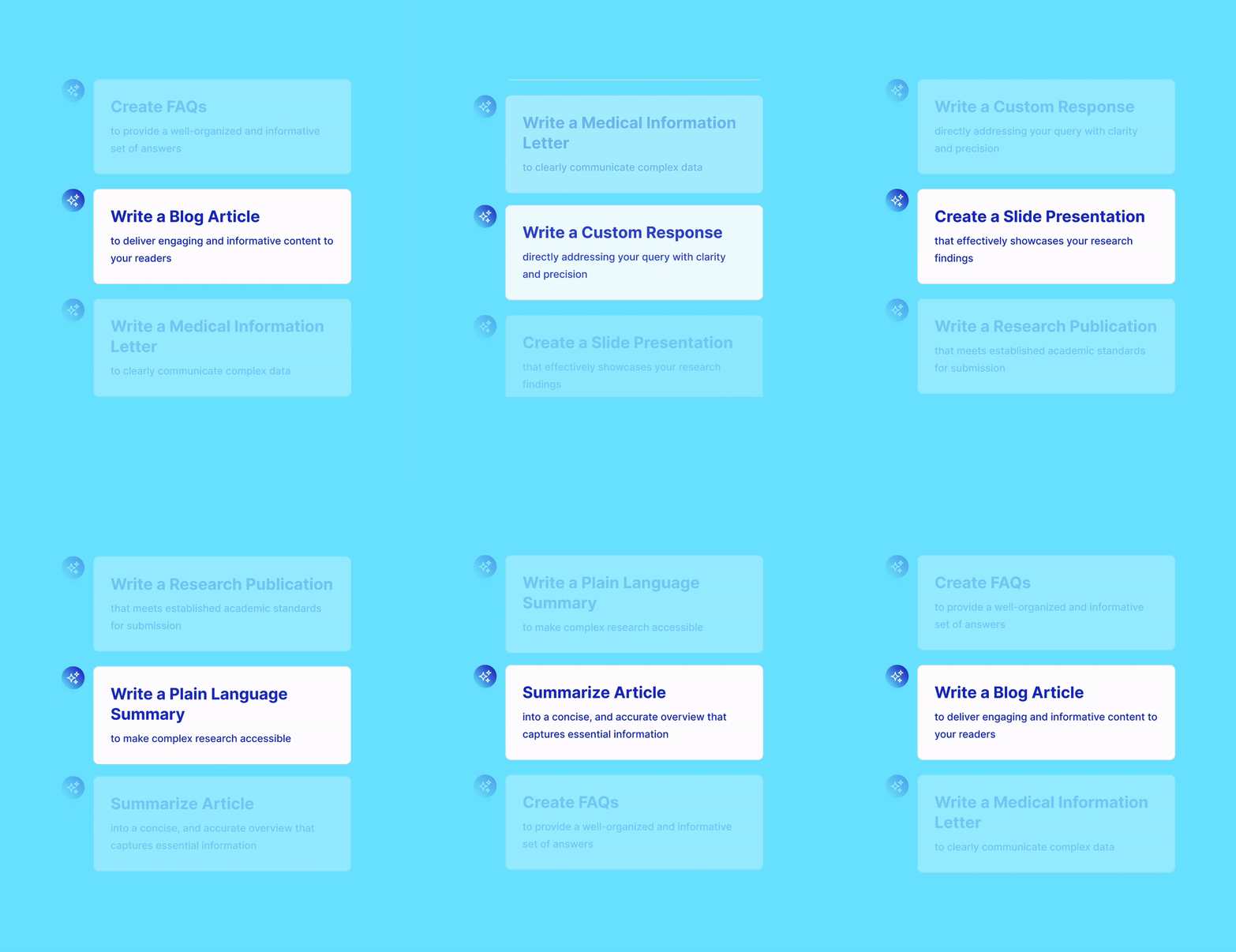
100 AI Slide Presentation Prompts for Busy Medical and Scientific Professionals
This article provides 100 ready‑to‑use AI prompts to help medical and scientific professionals create high‑quality slide presentations with MACg. The prompts are organized into practical categories, including clinical education, drug and mechanism‑of‑action decks, PubMed‑driven evidence reviews, specialty teaching, medical affairs and HEOR, training and curriculum, data‑visualization, and conference or grant presentations. Each prompt uses clear “Instruction:” wording and customizable placeholders (e.g., [condition], [audience], [timeframe]) so users can quickly adapt them to their specific topic and setting. By removing blank‑slide paralysis, the collection speeds up evidence‑based slide creation while supporting consistent, structured, and compliant communication.

Feb 4, 2026
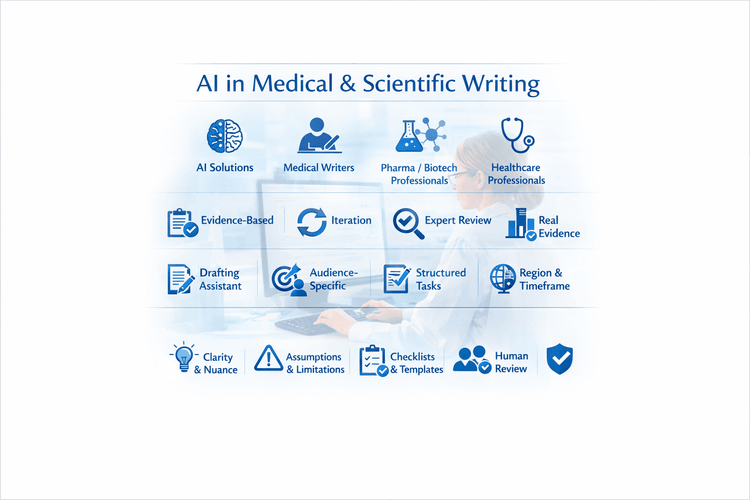
10 Tips For Using MACg and Other AI Solutions For Medical and Scientific Writing
This article shares 10 practical tips for medical writers, pharma/biotech professionals, HCPs, and researchers on how to use MACg and other AI solutions effectively and responsibly. It emphasizes that MACg's AI agent training knowledge is not a citable evidence base and must be anchored in real, verifiable sources such as publications, CSRs, labels, guidelines, and internal documents. Readers are encouraged to treat all AI outputs as Version 0.1, iterating with expert review rather than accepting the first draft. The article frames MACg as a drafting and thinking assistant, not an autonomous author, and stresses the importance of clear prompts about audience, purpose, region, timeframe, and scope. It recommends breaking complex projects into smaller tasks, using MACg to improve structure and clarity, and explicitly asking for limitations and caveats. Finally, it advocates creating institutional checklists and making expert human review and sign‑off mandatory for any impactful content.
Mar 1, 2026
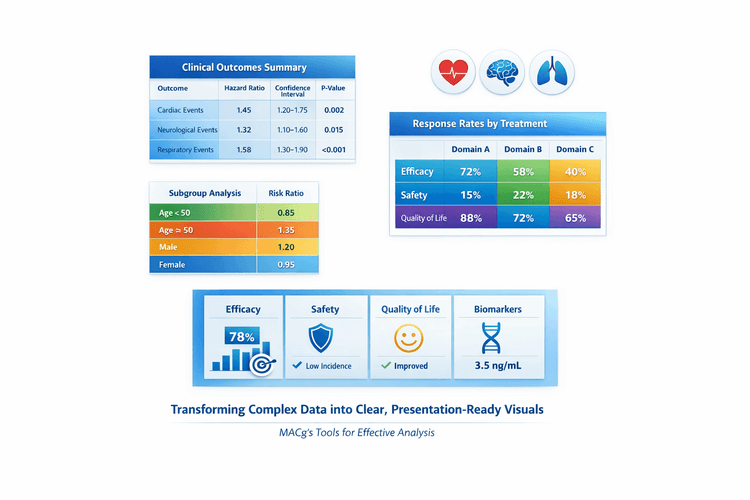
AI Slide-Ready Tables Made Easy: 10 Plug-and-Play Prompts for MACg Users
This article is a practical guide for MACg users who want to create beautiful, slide-ready tables from clinical and scientific data. It explains why the first slide output doesn't need to be perfect and shows how to iterate like a pro using MACg's image generator and flexible slide builder. The core of the article is a set of 10 copy‑pasteable prompt templates for different table styles, from primary outcomes and safety summaries to subgroup grids and multi-domain overviews. It also emphasizes attaching or pasting datasets so MACg can generate accurate, presentation-ready visuals.
Mar 27, 2026